When it comes to dental care, most of us hope our teeth will last a lifetime. However, life happens, and tooth decay or damage can disrupt this plan. Whether the damage is caused by a cavity, an injury, or wear and tear, dental crowns stand out as an effective solution. These sturdy caps not only restore the strength of compromised teeth but also enhance your smile’s appearance, boosting your confidence in daily interactions.
This article will explain dental crowns, why they may be right for you, and how they can improve your oral health.
Why Choose Dental Crowns in Hillsborough, NJ?
Dental crowns provide an exceptional solution for individuals facing the challenges of damaged or decayed teeth. A crown acts as a protective cap that covers the visible part of a damaged tooth while also restoring its strength and function. This is particularly vital because an impaired tooth can lead to further complications if left untreated, such as infections or even tooth loss. Therefore, choosing a crown is not just about aesthetics—it’s also a commitment to your overall dental health.
The benefits of dental crowns go beyond merely enhancing appearance:
- Strength Restoration: After treatment of decay or damage, crowns lend vital stability to compromised teeth, ensuring they can withstand normal chewing forces without crumbling.
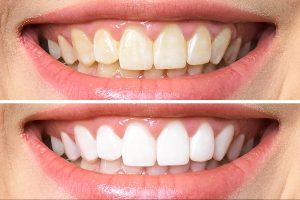
- Aesthetic Appeal: Especially with natural-looking materials like porcelain, crowns can seamlessly blend with your existing teeth, resulting in a smile that appears completely natural.
- Improved Functionality: Patients often report enhanced biting and chewing capabilities after receiving crowns, allowing them to enjoy their favorite foods again without discomfort.
- Long-lasting Quality: Crowns can last many years when cared for properly, offering enduring protection against future wear and tear.
Crowns help preserve your natural teeth. Instead of opting for extraction when faced with severe decay or damage, securing the tooth with a crown allows for the retention of your original tooth structure. Not only does this prevent further complications associated with tooth loss—including shifting teeth and jaw problems—but it also supports better oral health overall.
Types of Dental Crowns
There are several types of dental crowns, each designed to meet different requirements based on location in your mouth, preference for appearance, and budget considerations. For example:
- Porcelain Crowns: Known for their aesthetic appeal as they closely match the color of natural teeth.
- Metal Crowns: Extremely durable and typically used for back teeth where cosmetic appearance is less critical.
- Porcelain-Fused-to-Metal Crowns: Blend the beauty of porcelain with the durability of metal.
- Zirconia Crowns: Offer both strength and a natural look while being biocompatible.
Understanding these options ensures that patients at Hillsborough Prime Dental can make informed choices tailored specifically to their needs.
Different Types of Crowns in Hillsborough, NJ
The world of dental crowns offers a variety of materials that cater to different requirements, aesthetics, and budgets. Each option has unique characteristics, making it vital to understand what suits your specific dental health needs best.
1. Metal Crowns
In dentistry, metal crowns often go unnoticed. Made from durable alloys such as gold, nickel, or chromium, these crowns boast exceptional strength and resistance to wear. Their robustness makes them an ideal choice for molars where visibility is less of a concern but protection is critical
2. Ceramic Crowns
If you’re seeking a natural appearance, ceramic crowns are the go-to solution. Crafted from high-quality porcelain, these crowns mimic the translucence and color of natural teeth beautifully, making them an excellent choice for front teeth. In fact, they’re often favored by individuals looking for that “perfect smile,” even celebrities who require aesthetic perfection. Imagine stepping into a room with a radiant smile free of visible dental work—that’s what ceramic crowns can provide!
3. Porcelain-Fused-to-Metal (PFM)
PFM crowns offer an exceptional balance between strength and visual appeal. While they aren’t entirely as aesthetically pleasing as pure ceramic crowns, they still provide an attractive finish with the added benefit of a robust metal base. This combination allows PFM crowns to sustain heavier forces while giving patients confidence in their appearance. Moreover, they are versatile enough for both front and back teeth.
Other Types:
- Resin Crowns: These less expensive options may lack durability compared to metal or ceramic alternatives but can serve well for temporary solutions until a more permanent fix is made.
- Stainless Steel Crowns: Primarily utilized for children’s primary teeth, stainless steel crowns are prefabricated and provide an effortless one-visit application—making them efficient while also safe and reliable.
By understanding the differences among these options—from the sturdy metal crowns to the seamless appearance of ceramics—you can make an informed decision that reflects both your functional needs and personal preferences for your smile.
The Crowning Procedure
The crowning process is designed to be straightforward and typically consists of two main visits to your dentist. During these appointments, patients can expect a minimally invasive experience that prioritizes their comfort and dental health.
Step I—Initial Consultation
Your journey towards a new crown begins with an initial consultation. In this first visit, your dentist carefully examines the affected tooth, often accompanied by X-rays to assess the extent of any underlying damage. This examination is crucial; it identifies the need for a crown and determines if additional procedures like a root canal are necessary beforehand. A root canal eliminates infection at its source, preparing the way for successful crown placement.
Step II—Tooth Preparation
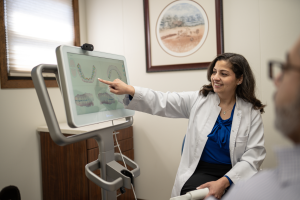
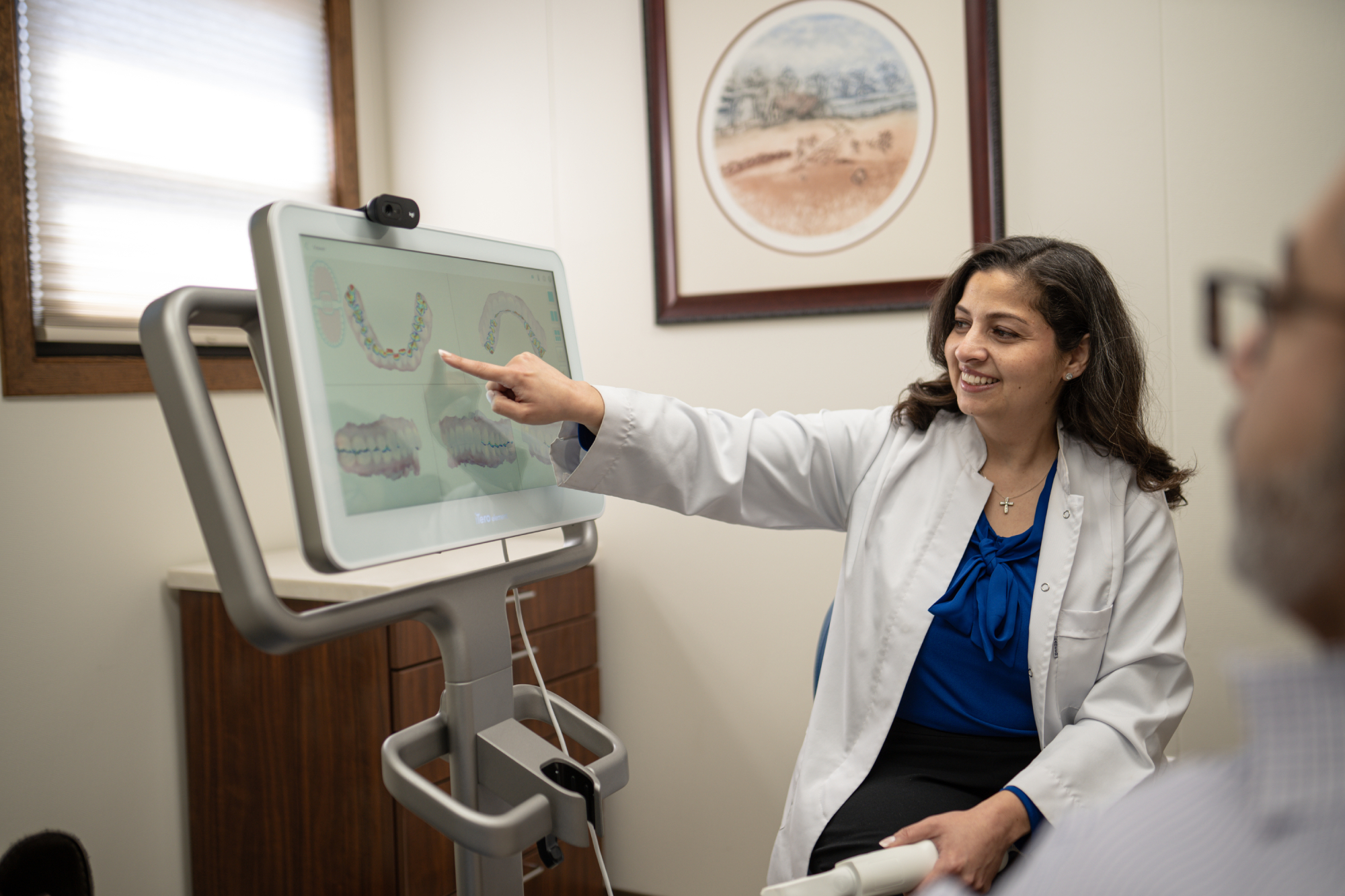
Tooth preparation is where the magic begins. During this appointment, the damaged part of the tooth is reshaped to ensure a secure fit for your crown. This step often requires local anesthesia to keep you comfortable while reshaping occurs. After contouring the tooth, an impression is taken—this can be done using digital scanning or traditional molds—to create an accurate model for crafting your custom crown. Ensuring precision here impacts how well the final product will fit and function alongside your other teeth.
Step III—Temporary Crown
While you’re waiting for your permanent crown to be fabricated, which usually takes a couple of weeks, a temporary crown will be placed over the prepared tooth. This temporary fixture serves as protection against sensitivity and potential damage while securing your appearance until your custom crown arrives. It’s important to note that although temporary crowns are strong enough for everyday use, they are not designed for long-term wear. Care should be taken to avoid sticky foods or anything that could dislodge it.
Step IV—Permanent Crown Placement
The culmination of this procedure happens during your second visit when you return to have the temporary crown replaced with your brand-new permanent one. During this appointment, your dentist will remove the temporary crown and carefully place the porcelain crown onto your reshaped tooth. Each step within this process is meticulous; they will check for aesthetics and functionality by ensuring it aligns perfectly with your bite before cementing it into place with dental adhesive.
The crowning procedure may seem extensive, but it’s designed with patient comfort in mind while ensuring each stage contributes meaningfully toward restoring dental health and confidence.
Longevity and Durability
The longevity of your dental crown plays a big role in its overall value to you. On average, dental crowns can last anywhere from 15 to 30 years, but this lifespan isn’t uniform; it varies depending largely on the material used for the crown and how well you care for it.
For instance, materials like zirconia are known for their strength and aesthetic appeal, while traditional metal crowns can offer exceptional durability. However, even the best material won’t perform optimally without proper maintenance.
Good oral hygiene is paramount for extending the life of a dental crown. Brushing twice daily, flossing regularly, and utilizing antibacterial mouthwash can help prevent decay around the crown, which is crucial since any deteriorating tooth structure underneath can compromise the crown’s effectiveness.
Understanding Your Crown’s Profile
Regular check-ups are just as vital as at-home care; dentists can identify early signs of wear that may go unnoticed otherwise. Practicing good oral hygiene consistently, avoiding hard foods, and scheduling routine cleanings will allow your crown to serve you well for many years.
Understanding these important aspects prepares you to explore the versatile applications that dental crowns provide in restorative dentistry.
Benefits and Use Cases
Dental crowns serve a multitude of purposes that extend beyond simply enhancing the beauty of your smile. Their protective qualities are essential for individuals with fragile or damaged teeth. Imagine having a tooth that’s been filled multiple times—it can become weaker over time, making it susceptible to further decay.
Here, crowns act as a shield, providing support and stability that prevent additional deterioration. It’s as if you’re wrapping your tooth in a cozy blanket, safeguarding it from outside forces.
Restore and Protect Your Smile with Dental Crowns in Hillsborough, NJ
Dental crowns are more than just a cosmetic fix—they offer essential protection and restoration for weakened teeth. Whether you’re dealing with decay, fractures, or large fillings, a well-crafted crown can strengthen your tooth and enhance its appearance. At Hillsborough Prime Dental, we specialize in providing high-quality, customized crowns to meet your unique dental needs. Take the first step toward a healthier, more resilient smile—book your appointment today. Contact us at (908) 359-8555.