If you’re like most Hillsborough residents, you probably breathed a sigh of relief after getting that filling placed. Problem solved, right? Here’s the truth that might surprise you: dental fillings aren’t permanent armor for your teeth. They’re restorations that require ongoing attention, just like the oil changes your car needs or the annual inspections your home’s HVAC system demands.
At Hillsborough Prime Dental, we see busy commuters grabbing their morning coffee before heading into the Triangle, active families shuttling kids between soccer practice and dance lessons, and everyone in between. Life moves fast in our community, and dental maintenance often slides down the priority list. But here’s what we want every Hillsborough resident to understand: a small investment in monitoring your fillings today can save you from extensive (and expensive) dental work tomorrow.
So how often should you actually check your fillings? While the general recommendation is every six months during your routine dental visit, individual factors can shift this timeline. From Hillsborough’s water fluoridation levels to your personal dietary habits, these variables all play a role. Let’s explore what you need to know to keep your restored teeth healthy for years to come.

The Filling Lifespan Breakdown: What to Expect by Material
Not all fillings are created equal. The material your Hillsborough Prime Dental team uses plays a significant role in how long your restoration will last and how frequently it needs monitoring:
Composite Resin Fillings
- Average Lifespan: 5–10 years
- Best For: Front teeth and visible areas where aesthetics matter
- What You Should Know: These tooth-colored fillings are popular for their natural appearance, but they may wear faster than other materials, especially if you’re a coffee enthusiast or enjoy Hillsborough’s excellent local dining scene
Amalgam Fillings
- Average Lifespan: 10–15 years
- Best For: Back molars that handle heavy chewing pressure
- What You Should Know: These silver-colored fillings are workhorses. They’re durable and reliable, though less popular due to their appearance
Gold and Porcelain Fillings
- Average Lifespan: 15+ years
- Best For: Patients seeking premium longevity and durability
- What You Should Know: These high-end options come with a higher initial cost but offer exceptional durability
Important reminder: These timeframes represent averages, not guarantees. The key takeaway? Regular checking should happen throughout the entire lifespan of your filling, long before you’re approaching that “replacement” date. Think of it as preventive maintenance rather than waiting for a breakdown.
Warning Signs: When to Call Hillsborough Prime Dental Early
Your body often signals when something’s wrong with a filling before it becomes a dental emergency. Here are the red flags that warrant an earlier visit to our Hillsborough office:
Sudden Sensitivity
That sharp, electric sensation when you sip your iced tea from Weaver Street Market or enjoy hot coffee? It’s not normal. Tooth sensitivity after a filling should gradually decrease, not appear months or years later. New sensitivity often indicates:
- The filling has developed microscopic gaps (microleakage)
- Decay is forming underneath the restoration
- The filling material is breaking down
Physical Changes You Can See
Grab a mirror and take a look. Watch for:
- Visible cracks or chips in the filling material
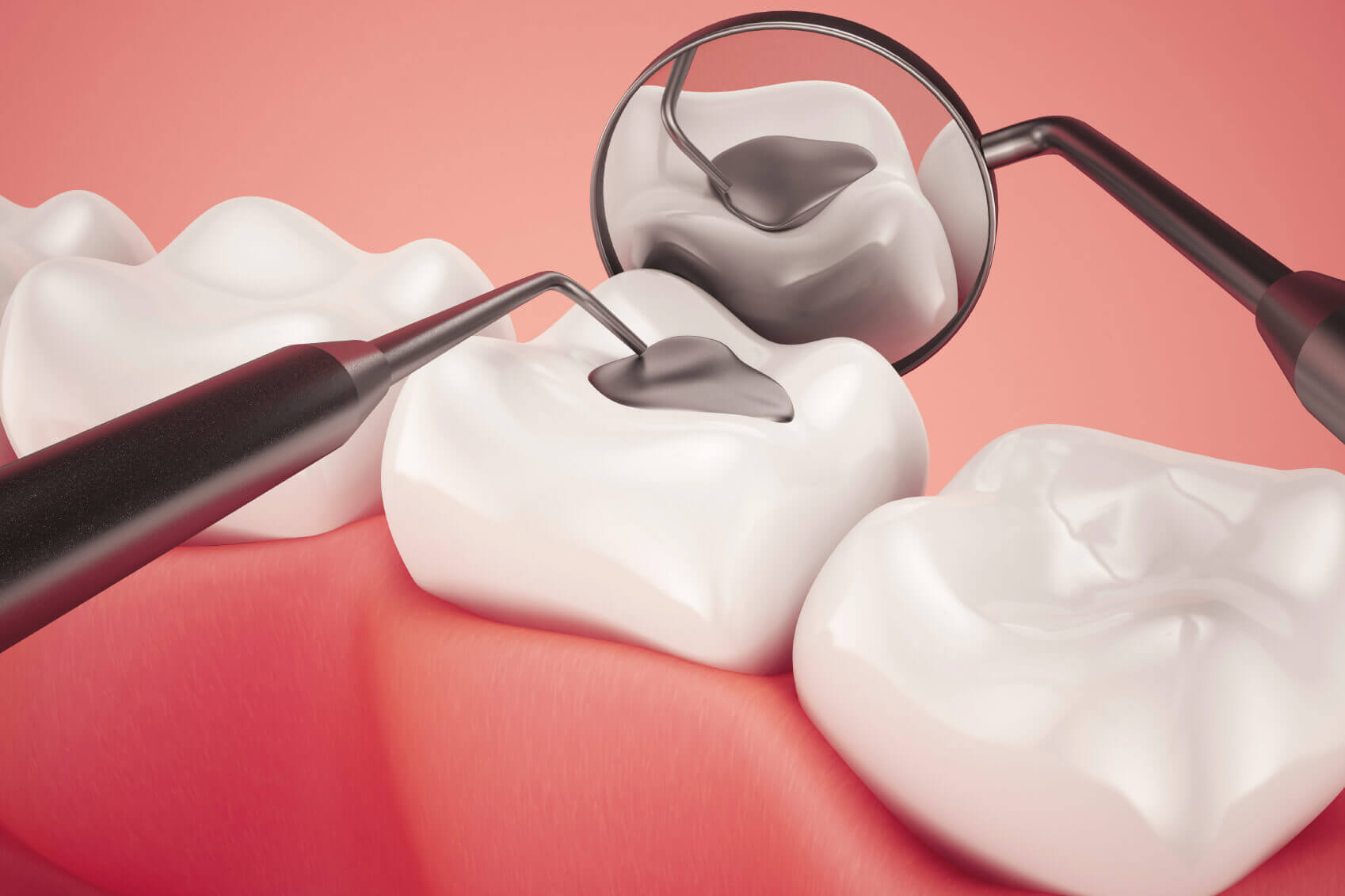
- Dark lines or shadows along the edges where the filling meets your natural tooth
- Color changes in the tooth around the filling (can indicate decay)
- Gaps between the filling and your tooth
Tactile Warning Signs
Your tongue is an incredible diagnostic tool. Pay attention when you notice:
- A sharp edge that wasn’t there before (your tongue will find it repeatedly)
- Rough spots where the filling feels different from your natural tooth
- Dental floss shredding consistently in one specific location (this often means the filling has created an irregular surface or there’s decay at the margin)
If you experience any of these symptoms, don’t wait for your next scheduled appointment. Contact Hillsborough Prime Dental right away. Early intervention typically means simpler, less expensive treatment.
Factors That Accelerate Wear and Tear in Hillsborough Residents
Some lifestyle factors common in our community can shorten your filling’s lifespan considerably:
Bruxism (Teeth Grinding)
Stress is real, whether you’re managing work deadlines, coordinating family schedules, or dealing with Triangle traffic. Unfortunately, many people process stress by grinding their teeth at night. This constant pressure doesn’t just flatten your natural teeth. It also compresses and weakens fillings, causing them to crack or fail prematurely.
If you wake up with jaw soreness or your partner mentions nighttime grinding, talk to us about a custom nightguard. It’s a simple investment that protects both your natural teeth and your dental work.
Dietary Habits
Hillsborough offers wonderful restaurants, farm-fresh produce, and great coffee shops. But certain dietary patterns can compromise your fillings:
- High acidity (citrus, sodas, vinegar-based foods) softens both tooth enamel and certain filling materials
- High sugar intake creates an environment where bacteria thrive, leading to recurrent decay right at the filling margins
- Very hard foods (ice, hard candies, unpopped popcorn kernels) can crack fillings
You don’t need to avoid these entirely, but moderation and good oral hygiene after consuming them make a real difference.
Oral Hygiene Around Fillings
Here’s something that surprises many patients: the junction where a filling meets your natural tooth is actually more vulnerable to decay than an untouched tooth surface. Even the most precisely placed filling creates a microscopic seam that bacteria can exploit.
This means brushing and flossing around your fillings requires extra diligence, not less. Make sure you’re:
- Brushing twice daily for two full minutes
- Flossing daily, paying special attention to the areas around fillings
- Using fluoride toothpaste to strengthen the tooth structure surrounding the restoration

Professional vs. Home Monitoring: A Two-Part System
What You Can Do at Home
We recommend a simple monthly self-examination:
- Visual check: Use a bright light and mirror to examine each filling for obvious changes, cracks, or discoloration
- Tactile test: Run your tongue over each filled tooth, noting any new rough spots or sharp edges
- Sensitivity log: Pay attention to any new sensitivity patterns (which teeth react, to what stimuli, and how often)
This home monitoring takes less than five minutes but can catch problems early, when they’re easiest to address.
What We Do at Hillsborough Prime Dental
During your routine visits, we go far deeper than what’s visible to the naked eye:
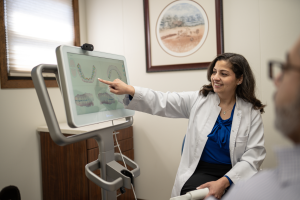
- Digital X-rays reveal decay developing underneath your fillings, something you could never detect at home
- Clinical examination with specialized instruments detects microscopic gaps, weaknesses, or marginal breakdown
- Bite analysis identifies uneven pressure that might be compromising certain restorations
- Professional cleaning removes bacterial buildup around filling margins that home care might miss
This is why we emphasize that six-month interval for most patients. Some Hillsborough residents with higher risk factors (active decay history, dry mouth, grinding habits) may need more frequent monitoring, perhaps every three to four months.
Protect Your Investment: Prevention Beats Replacement
Let’s talk numbers for a moment. A routine checkup at Hillsborough Prime Dental where we catch a small issue with a filling? You’re looking at a relatively minor fix, perhaps smoothing a rough edge or replacing a small section of composite.
Waiting until that filling fails completely? Now you might need:
- A larger filling
- A crown (significantly more expensive)
- A root canal (if decay reached the nerve)
- In worst-case scenarios, extraction and replacement options
The financial difference is substantial, but the personal cost is even greater. We’re talking about time, discomfort, and dental anxiety.
Prevention isn’t just cheaper; it’s smarter.
Your Next Step: Schedule Your Restoration Audit
When was your last dental checkup? If you’re like many busy Hillsborough families, it might have been longer than you’d like to admit. No judgment here. We understand that life gets hectic.
But here’s our invitation: Let’s make 2026 the year you prioritize your dental health. At Hillsborough Prime Dental, we offer comprehensive “restoration audits” as part of your routine examination. We’ll assess every filling, identify any concerns before they become problems, and create a personalized monitoring plan based on your unique risk factors.
Our Hillsborough team combines advanced technology with genuine community care. We know your time is valuable, which is why we respect your schedule and work efficiently. We also understand that dental anxiety is real, which is why we’ve created a comfortable, judgment-free environment where your questions are always welcome.
Ready to schedule your biannual restoration audit? Contact Hillsborough Prime Dental today. Your fillings have been protecting your teeth. Now let us help you protect those fillings.
Remember: In dentistry, as in life, an ounce of prevention truly is worth a pound of cure. We look forward to partnering with you in maintaining your healthiest smile.