Whether you’re experiencing an unexpected toothache, a damaged tooth, or a knocked-out tooth from an accident, having an emergency dentist nearby guarantees that you’ll get timely, expert care when you need it most.
Receive medical assistance right away to avoid worsening the situation, ease discomfort, and, in certain situations, save your tooth.
Emergency Dental Care: Why Proximity Matters
Time is crucial in dental emergencies. Imagine a situation where you’ve just knocked out a tooth during a weekend soccer match or suffered a severe toothache that feels overwhelming. In these moments, having an emergency dentist nearby can make all the difference.
Proximity to an emergency dentist not only reduces travel time but also helps to minimize the overall impact on your oral health. Having a local emergency dentist available ensures that you can avoid unnecessary delays and receive care when it matters most.
Additionally, the benefits of having an emergency dentist in close proximity extend beyond immediate situations. Think about it: knowing there’s a trusted professional just around the corner brings peace of mind. After all, dental emergencies often occur without warning and can be intensely painful.
With immediate access to dental professionals being crucial, understanding how to achieve relief from pain ties directly into managing these urgent situations effectively.
Immediate Relief from Dental Pain
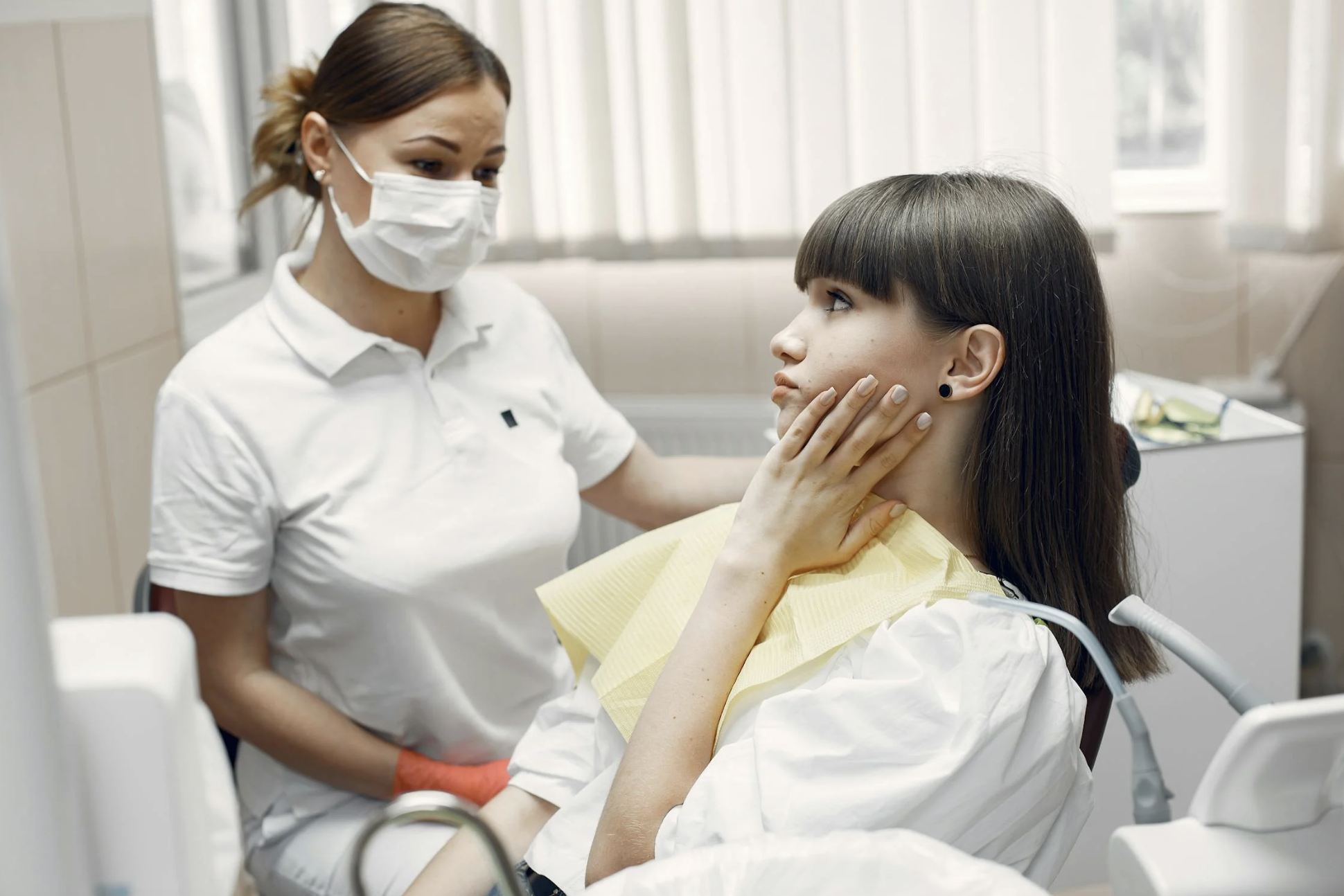
Dental pain can feel like a thunderstorm out of nowhere—intense, frightening, and often overwhelming. When that sudden ache hits, whether it’s a nagging toothache or a sharp pain from a cracked tooth, having immediate access to dental care is invaluable. Seeking professional help as soon as possible is critical not just for comfort but also for preventing long-term damage.
Benefits of Immediate Care
Research reveals staggering numbers: Dental concerns result in over 2 million emergency room visits each year, according to the American Dental Association. Alarmingly, most of these patients could have received better care sooner from their dentist instead of an ER doctor, who may lack specific training to address dental issues. Imagine the relief of heading directly to someone who understands exactly what you’re going through—a dentist equipped with the right tools and knowledge.
Imagine a situation where an infected tooth root is causing persistent pain. If treated without delay, a dentist can drain the infection effectively and alleviate discomfort swiftly. Without this prompt intervention, untreated infections can escalate, leading to worse conditions such as abscesses or even systemic health issues.
Quick access to pain relief not only transforms your immediate experience; it also plays a significant role in preserving your overall oral health. Prompt treatment can prevent minor inconveniences, such as a simple filling, from developing into something more complex that requires extensive restoration work.
Dental Emergencies: Common Types
Understanding which situations qualify as dental emergencies will enable you to respond swiftly and efficiently when confronted with them. The urgency and nature of these situations can differ considerably, but all share one common theme: prompt attention is vital.
- Substantial Toothache: A persistent toothache isn’t just a minor inconvenience; severe pain can indicate deeper issues, such as an abscess or decay, that require immediate intervention. It’s like your body sending out a distress signal—don’t ignore it.
- Cracked, Chipped, or Broken Teeth: Accidents happen, whether it’s from a fall or an unexpected sports injury, leading to damaged teeth. In addition to causing discomfort due to jagged edges or exposed nerves, failing to treat broken teeth promptly can result in infections.
- Knocked-Out Tooth: This situation is particularly time-sensitive! Acting within 30 minutes can make the difference between saving a knocked-out permanent tooth and losing it forever. Ideally, handle the tooth by the crown (the chewing surface) and place it in milk or a saline solution until you reach your emergency dentist.
- Broken Crowns and Fillings: If your crown or filling breaks, it exposes the underlying tooth structure to further damage and increased sensitivity. You should prioritize getting it replaced because it can sometimes cause pain.
- Loose Fillings: Similar to broken crowns and fillings, a loose filling signals potential decay underneath. If left unchecked, the risk of bacteria entering that space can increase sensitivity and even damage the tooth.
- Canker Sores and Abscesses: While not all mouth sores are emergencies, those that develop into abscesses signal the need for professional care to alleviate pain and prevent infections that could spread throughout your body.
Recognizing these conditions empowers you to take immediate action, which can significantly mitigate further complications and potentially save your teeth—and your smile—in the long run.
Locating a Nearby Emergency Dentist
Finding a reliable emergency dentist quickly can seem daunting during a crisis, but it doesn’t have to be overwhelming if you know where to turn. Some individuals may freeze up with anxiety when faced with sudden tooth pain or injury, so having a prepared strategy can ease that stress. It starts with knowing your resources and leveraging them effectively.
Steps to Find an Emergency Dentist
An online search is the first place to begin your search. Using search engines like Google, you can type queries such as “emergency dentist near me.” One tip is to include your location in the search for more accurate results, which can save precious minutes when you’re in discomfort.
As you conduct your research, it’s advisable to consult dental associations. Organizations such as the American Dental Association offer valuable resources and listings of certified dental professionals. These listings provide you with peace of mind, knowing that the emergency dentist you find adheres to high standards of practice.
Next, reach out to local clinics. Sometimes, simply contacting them directly can yield immediate information about their emergency services or provide recommendations for dentists, even if they do not offer after-hours care. Front desk staff are often well-informed about local practitioners who specialize in emergency care.
Then there’s the power of patient reviews. Online platforms allow current and former patients to offer their insights into a dentist’s service quality and responsiveness during emergencies. Reading through these reviews not only provides a better understanding of what to expect but also aids in identifying which practices prioritize urgent cases.
Lastly, don’t forget to consult your insurance networks. Charges for emergency visits can rack up quickly, so check your insurance provider’s list of approved dentists for ones who accept your coverage. Knowing who falls within your network can help streamline care while easing financial concerns during already stressful times.
By employing these strategies, you’ll be ready to address unexpected dental issues efficiently. This proactive preparation makes all the difference when dealing with urgent situations that demand immediate attention.
Preparation Tips for Dental Emergencies
It’s essential to recognize that dental emergencies often come without warning, and your ability to act swiftly can significantly influence the outcome. One critical step in ensuring preparedness is assembling a well-stocked first aid kit tailored specifically for dental issues. This kit should ideally include essential items such as:
- Gauze pads for controlling bleeding
- A small container with a secure lid to safely store any lost teeth or tooth fragments.
- Pain relievers to alleviate discomfort
- A printed card with your regular dentist’s contact information
Having these items readily available allows you to quickly address immediate concerns at home before seeking professional help.
Equally important is having your emergency dentist’s contact number saved on your phone. Imagine experiencing a sudden toothache or having a tooth knocked out; precious seconds can slip away while you search for that information. Ensure that this contact is easily accessible by saving it under favorites and writing it down in places where other family members might need it—like on the fridge or in an emergency binder. This way, anyone can reach out for assistance if they are incapacitated.
Lastly, it’s important to have your insurance information on hand in case of a dental emergency. Make sure your coverage details are noted in your first aid kit or easily accessible on your phone. This preparedness helps streamline communication with your dental office about what services may be covered, reducing stress during an already challenging situation.
Understanding and implementing these preparations prepares you for effective responses during dental emergencies.
Hillsborough Prime Dental: Your Trusted Partner for Quick and Reliable Emergency Dental Care
In a dental emergency, every minute counts, and having a reliable emergency dentist on hand can make all the difference in protecting your oral health. Hillsborough Prime Dental recognizes the importance of such situations and is dedicated to delivering timely, effective care to relieve your discomfort and maintain your smile.
Our professional team is always ready to respond to your dental emergencies with compassion and knowledge, ensuring you receive the immediate care you require. Don’t delay—if you have a dental emergency, contact us at (908) 359-8555 to make a speedy appointment and receive the care you need. Our first priority is you and your comfort.