
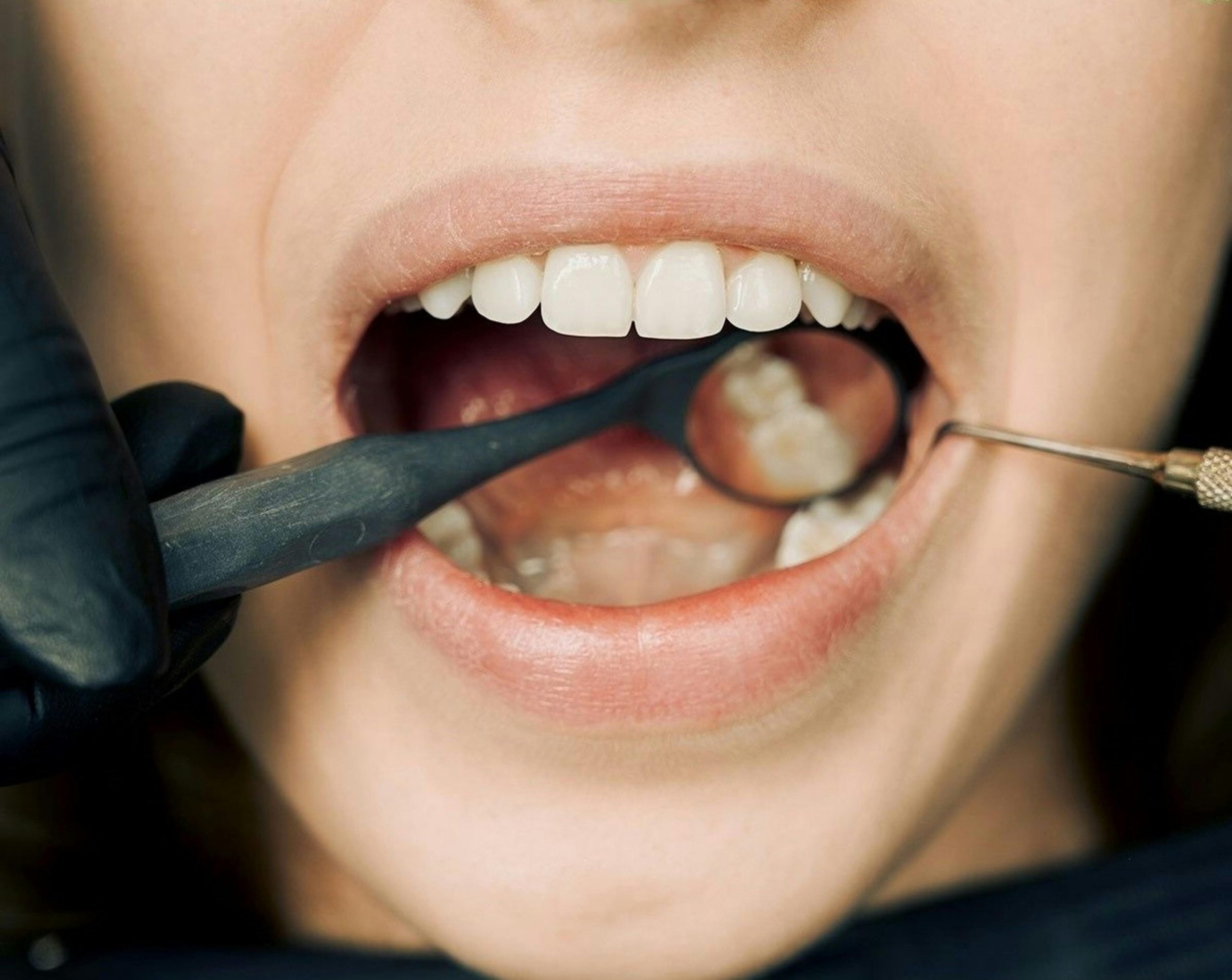
Restorative dentistry includes a variety of dental treatments intended to restore your smile’s function and aesthetics. It could involve procedures ranging from simple fillings for cavities to complex surgeries like dental implants.
Often overlooked is the power a radiant smile holds; having a confident, beautiful smile can significantly elevate one’s self-esteem and overall presence. This transformative process might begin in a way one might not anticipate—with a comprehensive oral health assessment.
Identifying Your Restorative Dental Needs
When it comes to revitalizing your smile, the journey begins with a thorough dental examination. This comprehensive check-up isn’t just about looking for cavities; it’s an opportunity for your dentist to assess your overall oral health and look for any signs of tooth decay, gum disease, damaged or missing teeth, and alignment issues.
Advanced digital imaging technology is used extensively throughout this process. With digital imaging, your dentist can obtain a highly detailed view of your teeth, gums, and jaw structure, allowing them to identify any underlying problems that might require restorative treatment, ensuring that no issue goes unnoticed.
The Importance of Digital Imaging
Digital imaging allows dentists to identify various issues, including
- Hidden Decay: During a visual examination, even small areas of decay may not be visible.
- Structural Abnormalities: Issues with the jawbone or tooth roots that impact the success of restorative treatments.
- Gum Disease: Early detection of gum disease through detailed views of the gum line and bone structure.
The next critical step involves having a detailed conversation with your dentist. This discussion provides an opportunity for you to fully understand the available treatment options based on your specific dental needs and personal preferences. It’s not just about fixing dental issues; it’s about designing a solution that fits seamlessly into your life.
For instance, if you have missing teeth, your dentist might discuss the option of dental implants versus dental bridges. This conversation isn’t just a one-way street; it’s an open dialogue where you can ask questions, express concerns, and collaborate closely with your dentist to make informed decisions about your oral health.
At the end of these discussions, you should have a clear understanding of the restorative treatments available to address your unique dental needs. This holistic approach ensures that every aspect of your dental health is considered, setting the stage for a smile transformation that not only looks fantastic but also stands the test of time.
Overview of Restorative Dental Procedures
Restorative dentistry provides a wide range of alternatives for treating a variety of dental problems. From repairing a small cavity to replacing missing teeth, these procedures focus on both functionality and aesthetics, ultimately aiming to restore confidence and oral health for patients.
Dental Fillings: Fillings are one of the most common restorative procedures. They repair small areas of tooth decay. Usually, porcelain or composite resin is used to make these. The goal is not only to restore the tooth’s function and structure but also to blend seamlessly with its natural color.
Dental Crowns: When a tooth suffers severe damage or weakness, a dentist may recommend a crown. Crowns are custom-made caps that fit over the entire tooth, restoring its shape, size, strength, and appearance. Craftsmen frequently make them from ceramics, metal, or a combination of the two. The result is a durable and natural-looking solution that protects the remaining tooth structure.
Dental Bridges: For patients with one or more missing teeth, bridges offer a fixed solution by filling in the gaps. These prosthetic devices consist of artificial teeth anchored in place by crowns on the adjacent healthy teeth. This not only provides a natural appearance but also helps maintain proper alignment and distribute bite forces across teeth more evenly.
Dental implants: One of the most significant advances in restorative dentistry has transformed the repair of missing teeth. Surgeons implant these titanium pins into the jawbone to serve as artificial tooth roots. Once merged with the jawbone, they serve as a solid basis for custom-made crowns, bridges, or dentures. Implants not only restore function and aesthetics, but they also help to preserve bone and keep surrounding teeth from shifting.
Each of these procedures plays a crucial role in preserving oral health and ensuring that patients can confidently share their smiles with the world.
Having delved into these restorative procedures in depth, it’s clear that they offer multifaceted solutions that go beyond merely fixing dental issues—they work to enhance overall well-being and quality of life for individuals seeking to regain their smiles.
Cosmetic and Functional Benefits of Restorative Dentistry
Restorative dentistry goes beyond the mere fixing of teeth; it can truly transform both your smile and your confidence in a multitude of ways. Let’s delve into the cosmetic and functional benefits in detail.
Improved Appearance
Restorative procedures serve as a powerful tool for enhancing the appearance of your smile. Whether it’s filling gaps between teeth, covering discolored teeth, or restoring the natural shape of teeth, these treatments can make a remarkable difference. Imagine being able to confidently show a bright smile while skillfully correcting any faults. This enhanced appearance not only boosts self-esteem but also positively impacts first impressions and social interactions.
Enhanced Chewing and Speaking
Beyond just aesthetics, restorative dentistry plays a crucial role in improving functional aspects such as chewing and speaking. Missing or damaged teeth can significantly hinder one’s ability to chew food properly, affecting nutrition and overall health. Furthermore, speech impediments caused by oral issues can impact confidence in professional or social settings.
By replacing missing or damaged teeth with dental implants, bridges, or crowns, restorative dentistry restores the ability to chew and speak effectively. Imagine being able to savor your favorite foods without discomfort or articulating words clearly and confidently. These improvements not only contribute to physical well-being but also boost self-assurance.
Prevention of Further Damage
Restorative dentistry isn’t just about addressing current dental concerns; it’s also about preventing potential future problems. We can halt further deterioration of the teeth and gums by promptly addressing issues like decay and gum disease through fillings, crowns, or other restorative treatments. This proactive approach is essential for maintaining optimal oral health and preventing more invasive procedures down the line.
These are just a few examples of how restorative dentistry goes above and beyond merely fixing dental issues; it truly enhances lives by transforming smiles, improving confidence, and maintaining oral health. From aesthetic transformations to functional improvements and preventive measures, the impact of restorative dentistry reaches far beyond the surface level.
Role of Restorative Dentistry in Confidence Building
Dental imperfections, whether it’s a missing tooth, discoloration, or misaligned teeth, can deeply impact an individual’s confidence. When one feels dissatisfied with their smile, it can affect their overall self-esteem. This is where restorative dentistry steps in as a game-changer. By providing solutions for a range of dental issues, from minor blemishes to significant structural problems, restorative procedures work to enhance aesthetics and rebuild self-assurance from within.
Discolored, chipped, or missing teeth can make someone feel self-conscious when speaking, smiling, or eating. Restorative dentistry addresses these concerns through various treatments such as fillings, crowns, bridges, and implants, providing individuals with the means to regain their confidence through a restored and healthy smile.
Moreover, the ability to eat comfortably and speak without worrying about tooth-related hindrances contributes to a sense of empowerment and self-assurance. When individuals can rely on the strength and functionality of their teeth without any limitations, it significantly uplifts their confidence in daily activities.
It’s important to acknowledge that the emotional impact of restorative dentistry goes beyond surface-level improvements—it extends to an individual’s mental well-being. The simple act of feeling pleased about one’s smile can create a ripple effect, influencing how they present themselves to the world and fostering a positive mindset.
Furthermore, as individuals become more confident in their appearance, they often experience an increase in motivation and drive, which can lead to pursuing new opportunities and experiences. This is a testament to the holistic impact that restorative dentistry has on an individual’s overall confidence and well-being.
Caring for Your Restored Teeth
After investing time and effort into restoring your smile, maintaining your oral health is crucial for ensuring lasting results. Here are some essential tips to help you take care of your beautifully restored teeth and preserve their health for years to come.
Maintain Good Oral Hygiene
Dental hygiene starts with routine brushing and flossing. When restoring teeth, looking after your gums is just as important as caring for the restorations themselves. Brushing twice daily with fluoride toothpaste can prevent cavities and keep your restorations clean and strong. Daily flossing helps remove plaque and food particles from between the teeth and around the restorations, ensuring that your gums remain healthy to support the restored teeth.
Avoid Harmful Habits
Our daily habits can significantly impact our oral health. Nail-biting, teeth grinding (bruxism), and using teeth as tools can lead to damaged restorations.
Grinding your teeth can place excessive force on the restorations, potentially causing them to crack or become loose. Similarly, using your teeth to open packages or bite rigid objects can jeopardize their integrity.
In this case, preventing damage to the restorations is simply about being mindful. If you find yourself grinding your teeth during times of stress, consider wearing a nightguard. If you unconsciously use your teeth as tools, be mindful of alternatives and make a conscious effort to avoid these habits.
Leading Restorative Dentistry Services in Hillsborough, NJ
At Hillsborough Prime Dental, we realize how a bright, healthy smile can boost your confidence and well-being. Our team is committed to providing you with individualized, state-of-the-art restorative dental procedures that are customized to meet your individual needs.Whether you’re struggling with the aftermath of trauma, tooth decay, or other dental difficulties, we’re here to help you restore not only a beautiful smile but also the confidence that goes with it. Contact us at (908) 359-8555 today to schedule your consultation and experience the transformational power of restorative dentistry!

